
Farming in a changing world: have your say on sustainability
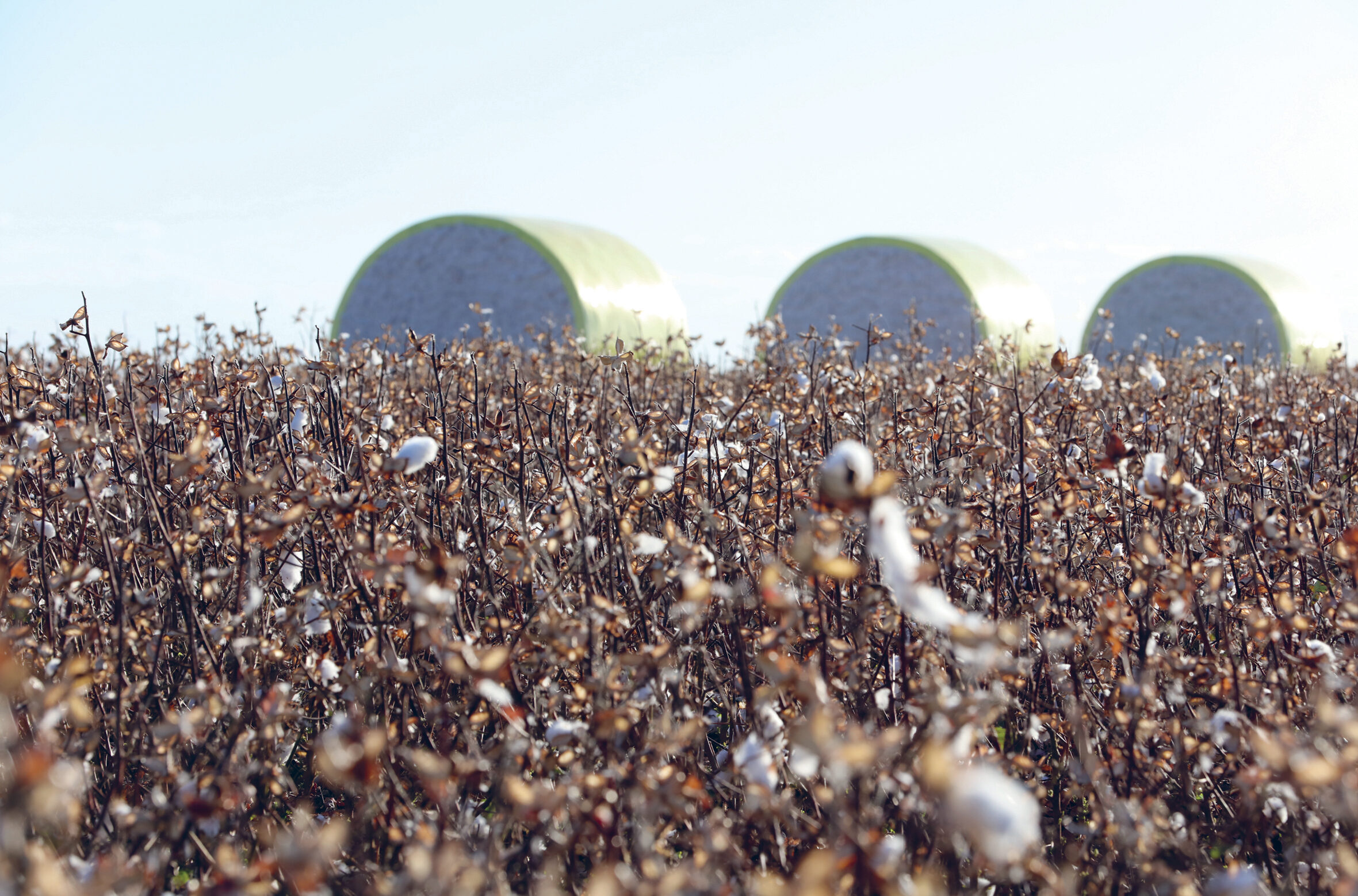
A lot is changing in cotton farming. Global geopolitical uncertainties, seasonal variability, market pressures, textile legislation and shifting expectations around sustainability are making the future even less predictable.
Customers and value chains are increasingly interested in sustainability performance and being able to demonstrate sustainability credentials that affect Australian cotton growers’ access to markets.
The cotton industry is preparing for this uncertainty with its PLANET. PEOPLE. PADDOCK. Sustainability Framework, which brings together environmental, economic and social aspects of sustainability. It focuses on key areas such as water use, soil health, biodiversity, emissions, productivity and the wellbeing of people working in the industry.
The framework addresses issues that matter most to growers and stakeholders and guides practical improvements over time. It builds on existing programs like myBMP to support continuous improvement on-farm.
CSIRO, in partnership with CRDC, is running a series of discussion groups in major cotton-growing regions throughout June and July. These sessions will bring growers together to talk about what sustainability looks like in practice and what is realistic under local conditions.
CSIRO’s Dr Katrina Szetey, who is co-leading the project with fellow research scientist Dr Michelle Miller, said the project is about understanding different perspectives and experiences across the industry and using these to inform future investment and extension to meet various needs.
“We know there are a wide range of views. For some growers, sustainability aligns closely with what they are already doing,” Katrina said.
“For others, it raises questions around cost, time or relevance. One size doesn’t fit all in cotton growing now, and it won’t in the future.”
The discussion groups will be practical and grounded. Sessions will include interactive activities and informal discussions. For those who prefer to share their views and knowledge privately or can’t make it to a discussion group, one-on-one meetings can be arranged.
The discussions will explore questions such as:
- What are your current on-farm priorities?
- What practices do you use to achieve them?
- What changes are coming and how might they affect your business?
- What support or information would make a difference?
Michelle said the discussions will also cover what it takes for the industry to be future-ready, and give stakeholders the opportunity to have a say in the future of research, development and extension (RD&E) investments.
“To get growers thinking about the future, we will share insights from CSIRO Futures research and discuss the trends they are seeing as well,” Michelle said.
“The aim is not to prescribe solutions, but to understand what changes are coming and what growers and the industry more broadly are going to need to do to be ready.
“We’ll create space for growers to reflect, compare approaches and consider how their systems may need to adapt over time. Grower input will feed directly into industry investment and sustainability efforts.”
The meeting dates will be shared via the CottonInfo network and newsletters, along with details on how to register. Interested growers including those who prefer to share their views outside the group setting, or can’t make a meeting, contact Katrina directly or your local CottonInfo Regional Extension Officer.
For more:
Dr Katrina Szetey